
Key Takeaways
- Online glasses put the fitting job on you, which can lead to measurement and typing errors.
- Poorly fitted glasses can contribute to eye strain, headaches, and pressure at the nose and temples.
- In-person measurements place the optical centre of each lens where your eyes actually sit.
- Frame choice works better when it matches your face and your daily routine.
- Kids benefit from yearly eye exams, and adults 20 to 64 from an exam every two years.
- Myopia management and specialty contact lens fittings are available for growing kids and complex prescriptions.
Why the Place You Buy Glasses Changes How They Feel
You click through a website, upload a photo, type in a few numbers, and a box shows up two weeks later. Then the frames slide down your nose, the print looks a little blurry, and you find yourself tilting your head to read a menu.
Buying glasses from your local optometrist at Oxford Optometry means the exam, the measurements, the fitting, and the follow-up adjustments all happen with a team who can see your face and your prescription in front of them.
What Happens When You Buy Glasses Online
Ordering online moves the fitting role onto you. You measure the distance between your pupils with a ruler and a mirror, guess at frame width, and hope the numbers land close enough.
Small typos matter here. One digit off in a self-entered prescription can change how the whole lens performs, and there’s no one on the other end to catch it. That gets harder with kids, whose frames need to sit correctly on a face that’s still growing, and with stronger or multifocal prescriptions where lens placement has less room for error.
Signs Your Glasses Don’t Fit Right
Your body tends to tell you before you figure it out.
- Eye strain or tired eyes by mid-afternoon
- Headaches or a dizzy, off-balance feeling
- Pressure or red marks around your nose and temples
6 Reasons to Buy Glasses from an Optometrist in Woodstock
- Your eye exam and your new glasses happen in one visit, so you’re not repeating steps somewhere else.
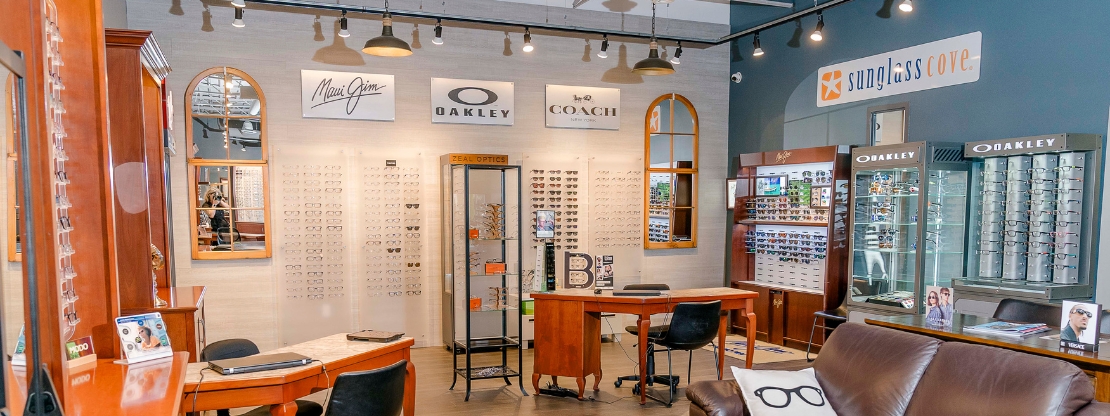
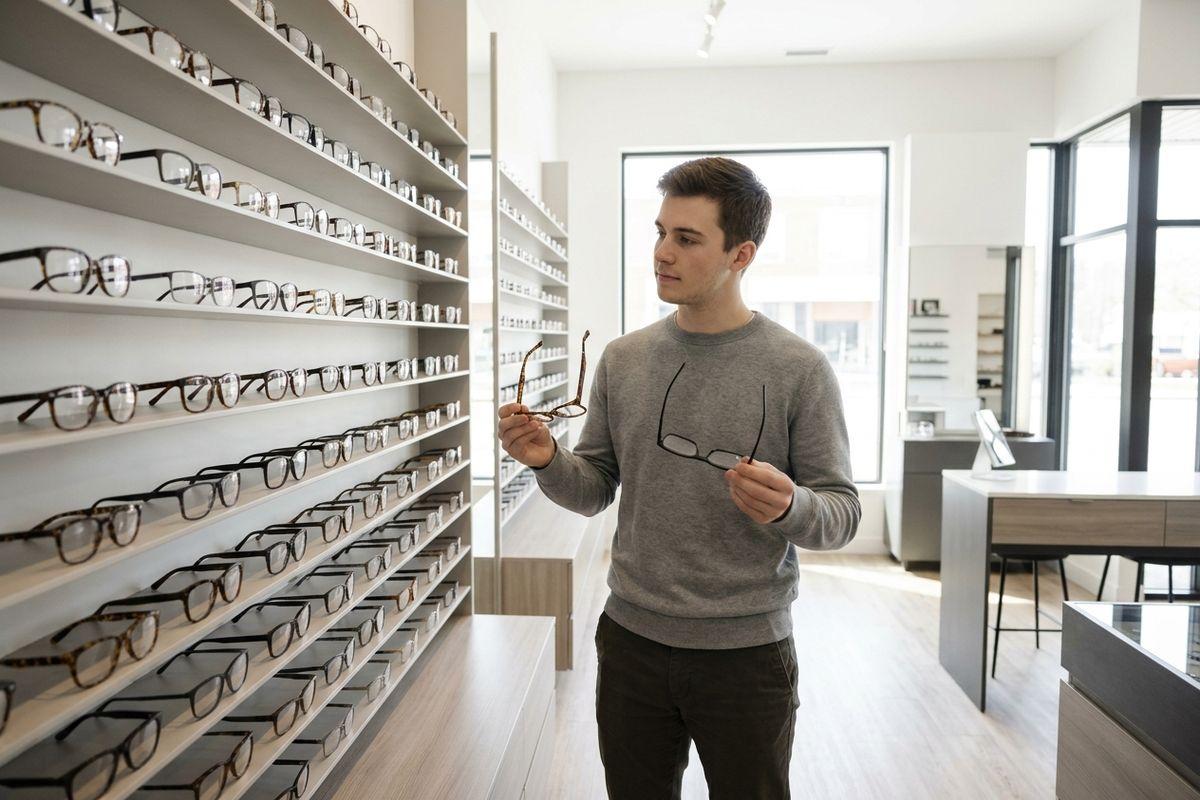
- The optical team walks the boutique with you and helps narrow hundreds of frames down to a few that suit you.
- Measurements are taken in person, on your face, in the frame you actually chose.
More Reasons Worth Knowing
Prescription accuracy gets handled for you, straight from the eye doctor’s findings to the lab, with no retyping on your end.
The frames and lenses on the shelf are ones our team is happy to put their name behind, which means someone can answer questions about materials and how a pair holds up day to day. And when a hinge loosens or the nose pads shift after a few months, repairs, adjustments, and follow-up care are a short drive away rather than a shipping label.
Measurements That Shape Your Glasses
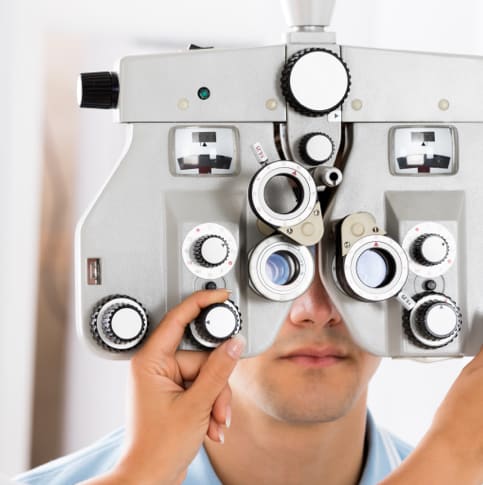
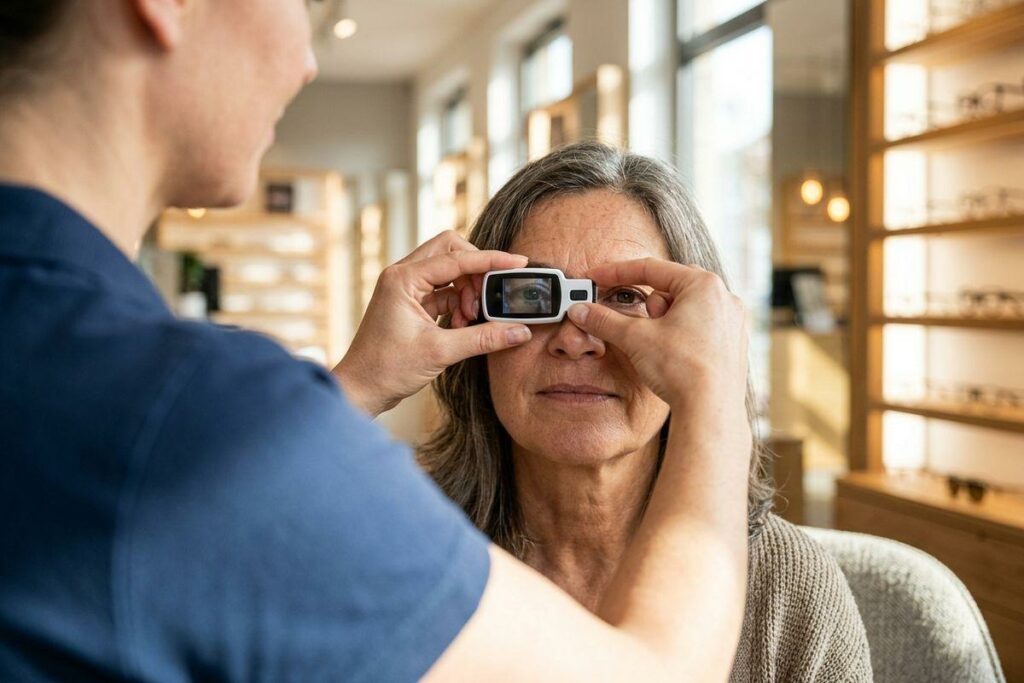
Your pupillary distance, the space between the centres of your pupils, is measured for both distance and near vision. That number decides where the optical centre of each lens lands, which is the sweet spot your eye needs to look through.
A few other angles matter too. How the frame tilts on your face, how much it wraps around your temples, and how far the lenses sit from your eyes all shift the way a prescription performs once it’s in front of you.
Why Lens Choice Matters
Stronger prescriptions do better in thinner, lighter materials so the edges don’t turn bulky. Anti-reflective, scratch-resistant, and UV coatings each change how the lens holds up under headlights, sunlight, and everyday handling. The base curve, meaning how much the lens curves, gets chosen to keep distortion down near the edges.
How to Choose Frames You’ll Actually Wear
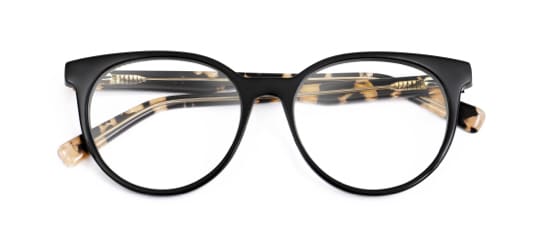
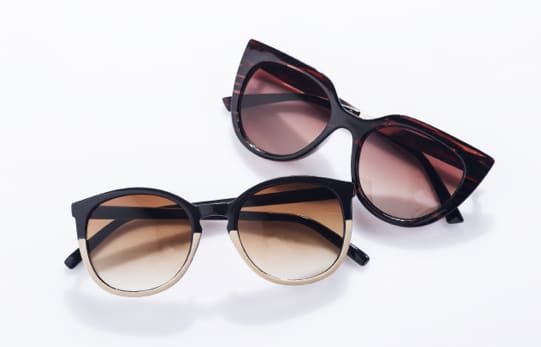
A frame has to match more than your face shape. Bridge width keeps it from sliding, and temple length decides whether it hugs behind your ear or pinches.
Your day matters just as much. Screen work, highway driving, hockey, and a job on a shop floor each ask something different from a pair of glasses. Comfort gets checked before you leave the office, so you’re not discovering a sore spot three days later.
What to Avoid When You Shop
- Frames that slip forward or pinch at the temples
- Placing an order using prescription details from an old pair
- Skipping the fitting appointment once your glasses arrive
Care for Families at Every Stage
Kids benefit from an eye exam every year, since their prescriptions can shift quickly. Adults from 20 to 64 are generally seen every two years. For children whose nearsightedness keeps climbing, myopia management options can help slow how quickly that change happens.
Support Beyond the First Pair
Specialty contact lens fittings are available for eyes that don’t do well in standard lenses. The Topcon MYAH, an advanced optical biometer and corneal topographer, helps our team track small changes in your child’s eyes over time — sometimes detecting myopia before glasses are even needed. You’re also seeing a team who already knows your family’s history when you walk in.
Book Your Next Visit
Glasses feel different when someone measured them on your face and adjusted them before you left. Our team at Oxford Optometry takes the time to listen, measure carefully, and follow up long after your first pair. Book an eye exam with your optometrist in Woodstock, Ontario today, and ask about myopia management for your kids while you’re there.