

Key Takeaways
- Floaters are specks, strings, or cobwebs that drift across your vision as the gel inside your eye changes with age.
- Small, occasional floaters that stay the same for months are usually harmless.
- A sudden burst of new floaters, flashes of light, or a shadow over your side vision needs prompt attention.
- People who are nearsighted or have a family history of retinal detachment should watch their floaters closely.
- An eye exam with modern technology can check your retina and give you clear answers.
Floaters have a way of catching your attention, drifting into view when you’re reading or looking up at a bright sky. At Oxford Optometry, our team helps families in Woodstock and the surrounding area understand eye floaters and recognize when they may be a cause for concern.
Eye floaters become a concern when they arrive suddenly in large numbers, come with flashes of light, or bring a shadow over your side vision. Those signs can point to a retinal problem, so a prompt eye exam helps you get clear answers.
What Eye Floaters Are and Why They Show Up
You glance at a white wall and notice a tiny speck drift by. You blink, and it moves too. That little traveller is a floater, and almost everyone sees them at some point.
Your eye is filled with a clear gel. As the years pass, that gel becomes more watery and forms small clumps and strands. When light passes through, those clumps cast shadows on your retina, the light-sensing layer at the back of your eye. Those shadows are what you see floating across your view.
How to Spot a Floater
Floaters can look different from one person to the next. Some people see dark dots. Others notice clear, thread-like strands that seem to swim just out of reach.
They tend to move when your eyes move, then slowly drift when you hold still. You’ll notice them more easily against a bright background, like a blue sky, a lit screen, or a blank page.
- Dark dots or clear, floating strands
- Movement that follows your eyes
- Being easier to see against bright light
Understanding Normal Floaters
Many eye floaters are a natural part of the aging process and generally do not affect your overall eye health.
Signs of a Stable Floater
Eye floaters are typically not a cause for concern when they remain consistent over time. You can generally monitor them at home if they are:
- Long-standing: Present for months or years without any noticeable changes
- Minor and infrequent: Small in size, few in number, and only visible occasionally
- Not affecting your vision: Your vision remains clear and sharp
How Long Floaters Normally Last
Here’s the good news. Your brain learns to tune floaters out over time, so they can fade into the background even when they haven’t gone anywhere. Floaters are common between the ages of 50 and 70, so many people share the same experience and benefit from regular adult and senior eye exams.
Warning Signs to Watch For
Some changes deserve quick attention. If floaters arrive suddenly and in large numbers, that shift matters.
Watch closely for these signs, and reach out to an optometrist right away if you notice them.
- A sudden burst of many new floaters
- Flashes of light along with floaters
- A shadow or curtain creeping over your side vision
Who Should Pay Extra Attention
Certain eyes carry a higher chance of retinal trouble, so a little extra awareness goes a long way. If any of these apply to you, keep your eye doctor in the loop about any changes.
- People who are nearsighted
- Those with a past eye injury or eye surgery
- Those with a family history of retinal detachment or diabetes
How the Team Checks Your Floaters
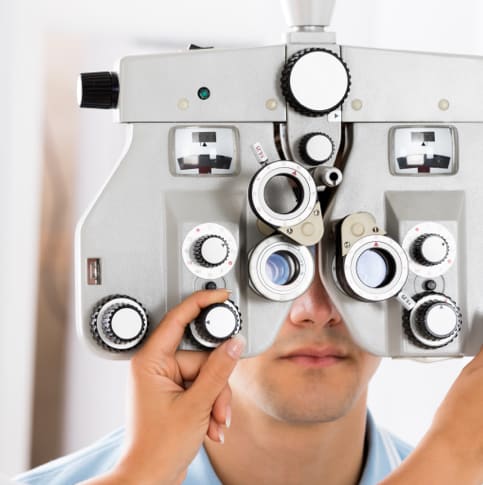
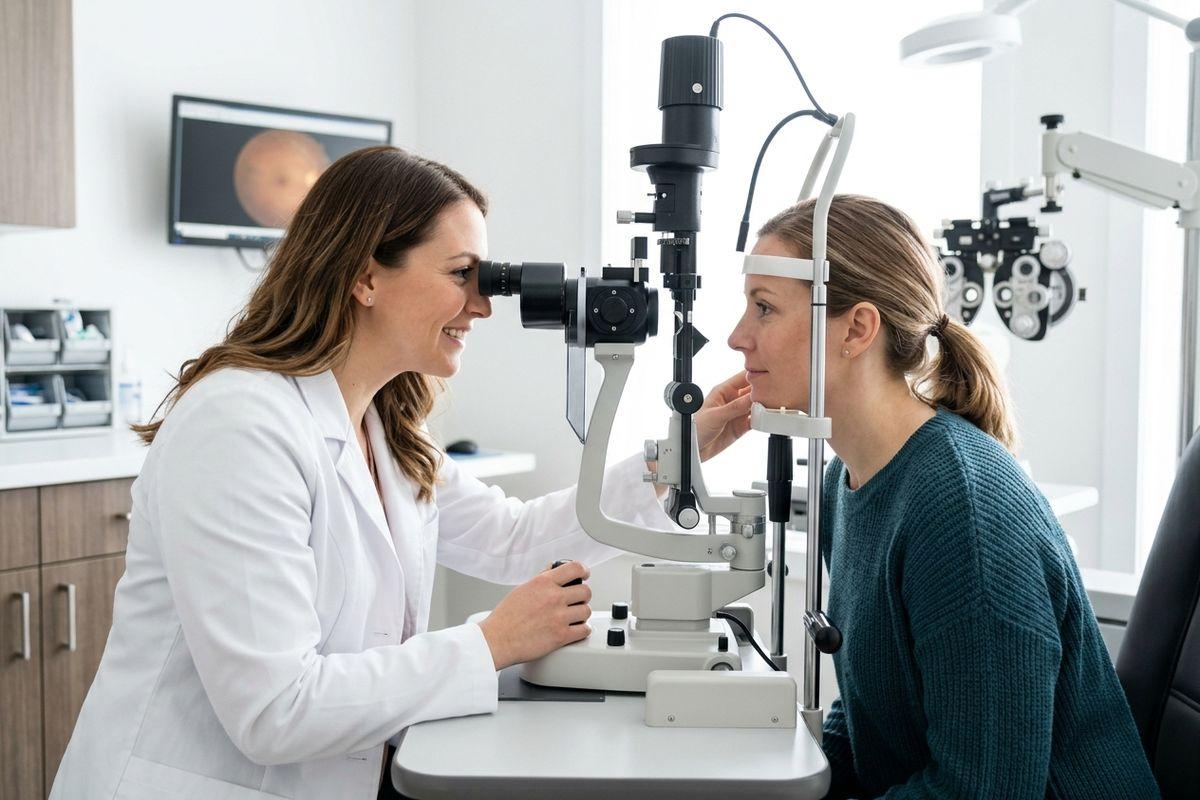
When you come in with a question about floaters, the team starts with a thorough eye exam using modern technology. That means a careful look at your retina and the overall health of your eye, not just a quick glance.
You’ll have room to ask questions and share what you’ve been noticing. From there, your optometrist can offer personalized guidance that fits your stage of life, whether your floaters are harmless or need a closer look.
At Oxford Optometry, you can trust that you’ll be seen, heard, and understood. If new floaters, flashes, or shadows have you wondering, book an appointment with an eye doctor in Woodstock today and get the clear answers you’re looking for.