

Key Takeaways
- Myopia control helps slow the progression of myopia, with a goal of keeping your child’s prescription lower.
- It goes beyond just correcting blurry vision to help manage myopia.
- Options include special lenses, soft multifocal contacts, overnight lenses, and low-dose atropine eye drops.
- Your eye doctor in Woodstock can tailor a myopia approach to your family, so you get care that works for you.
Maybe you were noticing that your child was having trouble seeing far away, so you brought them in for an eye exam at Oxford Optometry. If your child has myopia, you may have heard about myopia control and are wondering what it does, why it’s important, and what options there are for your child.
Myopia control is a set of treatments your eye doctor may recommend to slow the progression of your child’s myopia, protecting their vision now and helping guard their eye health for years to come. Regular glasses help them see the board clearly today, but they don’t slow the change happening inside the eye. Myopia control works to slow the eye’s growth, which can mean fewer big jumps in prescription and lower risk of eye problems later in life.
Understanding Myopia
Myopia, also called nearsightedness, most often happens when the eye grows too long from front to back. This causes light to land in front of the retina (at the back of the eye), causing faraway things to look blurry while close things stay sharp.
For some children, this means their eye keeps lengthening as they grow, making their prescription stronger and stronger until they stop growing, usually in their late teens or early 20s.
Your child’s risk of myopia is influenced by a few factors, including genetics and habits. If 1 or both parents are nearsighted, their child is more likely to be, too. Hours of close screen time and homework, paired with little time outdoors, are also linked to a higher risk of developing myopia. Sunshine and distance viewing seem to give young eyes a helpful break.
Treatment Options to Slow Myopia
There isn’t 1 single option for slowing myopia progression that can suit every child. Your eye doctor in Woodstock can walk you through your myopia control options and recommend the best fit based on your child’s age, prescription, and daily routine.
Special Glasses and Contact Lenses
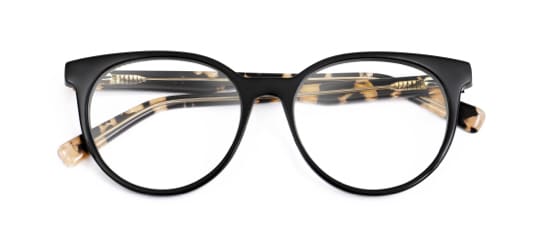
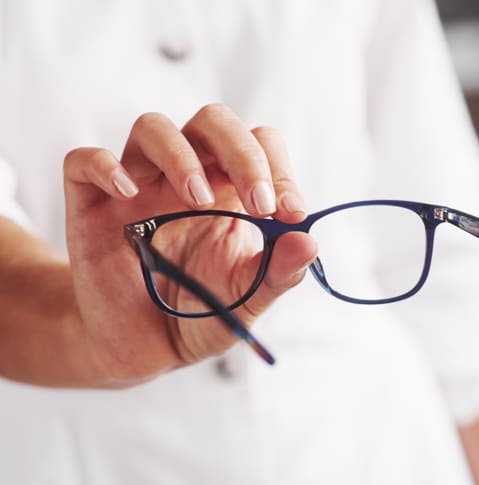
Myopia control glasses look like ordinary glasses, but the lenses carry a special design that gently signals the eye to slow its growth. They’re often a good option because they do 2 jobs: correcting blurry vision today and slowing myopia progression long term.
Soft multifocal contact lenses work similarly for kids who are mature enough to handle the care contact lenses require. Your child pops them in each morning and sees clearly through the day, while the lens works to slow myopia progression.
Ortho-K and Atropine Drops
Ortho-K lenses are overnight contact lenses that reshape the front of the eye (the cornea) to provide clear daytime vision, while slowing myopia progression. Many children like this option because it can mean less reliance on glasses or contacts day to day.
Low-dose atropine drops offer another route. A single drop at bedtime can help slow progression, and it pairs well with glasses or contacts for children who aren’t ready for lenses.
What Age to Start and Who Benefits
Myopia control may be recommended to a wide range of children, as long as their eyes are still growing. Starting earlier may be recommended, since slowing progression early can keep their final prescription lower, which can lower your child’s lifetime risk of developing more serious eye conditions.
Kids don’t always know that they’re having trouble seeing because they think everyone sees the world the way they do. Because of that, it’s important to understand when to bring your child in for an eye exam.
How Our Team Supports Your Family
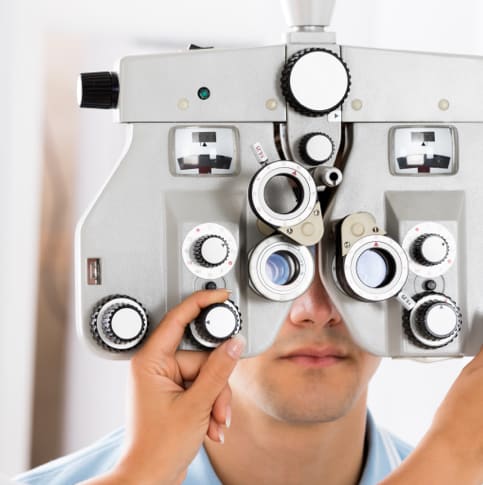
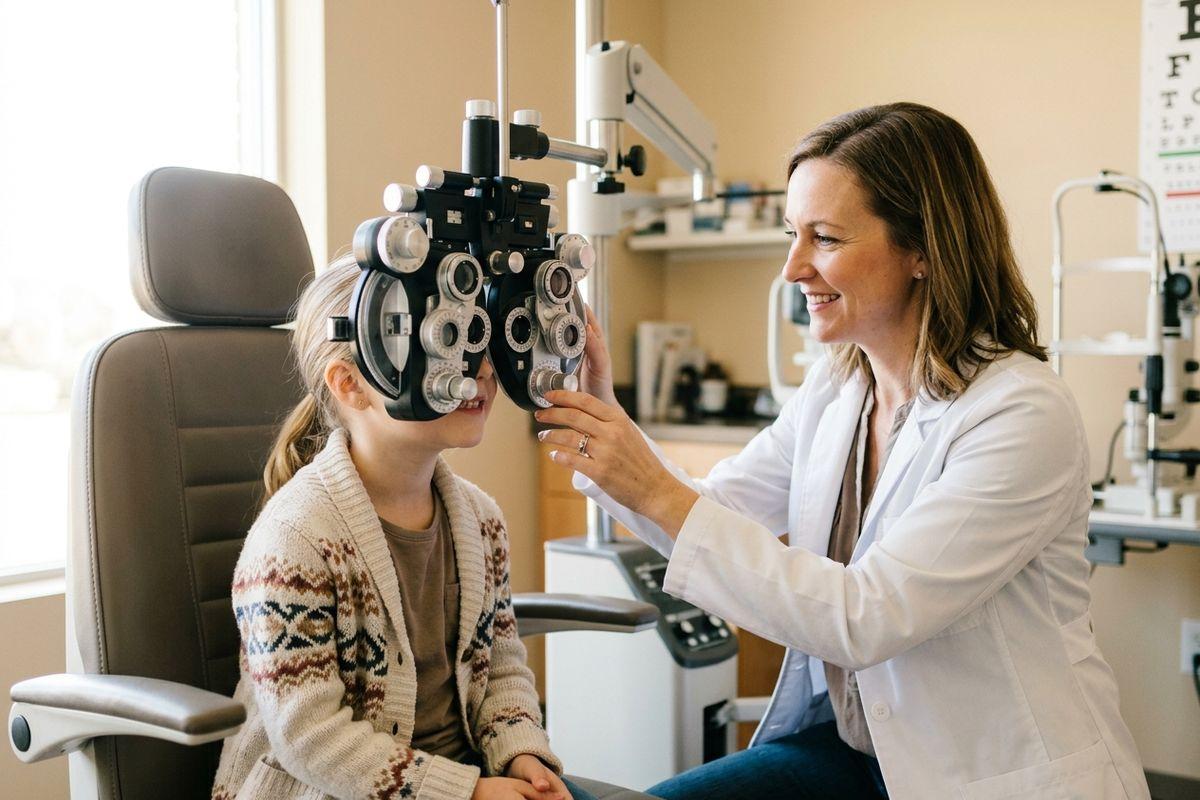
We always begin with a thorough children’s eye exam to assess your child’s overall eye health. Your eye doctor can use modern myopia detection tools to measure the length of your child’s eye and track small changes over time, so you can see the numbers behind each decision.
From there, you get a plan built around your child, not a 1-size-fits-all answer. That could include specialty contact lenses fitted to their eyes, special glasses, or even simple goals like more outdoor time and steady screen habits at home.
Our goal is for your family to leave each visit understanding what’s happening and what comes next, with your questions answered in plain language.
Schedule Your Next Visit
If you’re a parent looking for support with your child’s changing vision, our team at Oxford Optometry is ready to help. Book a myopia control appointment with an optometrist in Woodstock today, and take the next step in protecting your child’s sight.