
Key Takeaways
- Your eyes provide a place for your eye doctor to see blood vessels and nerves directly, with no invasive tests.
- Early signs associated with diabetes, high blood pressure, and high cholesterol can be seen in the back of your eyes.
- Thyroid, autoimmune, and neurological conditions may leave clues in and around your eyes.
- Certain cancers can appear as growths or changes inside the eye.
- A comprehensive eye exam checks far more than how well you read a chart.
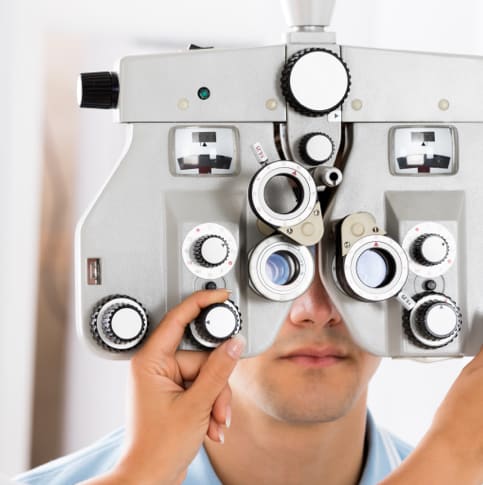
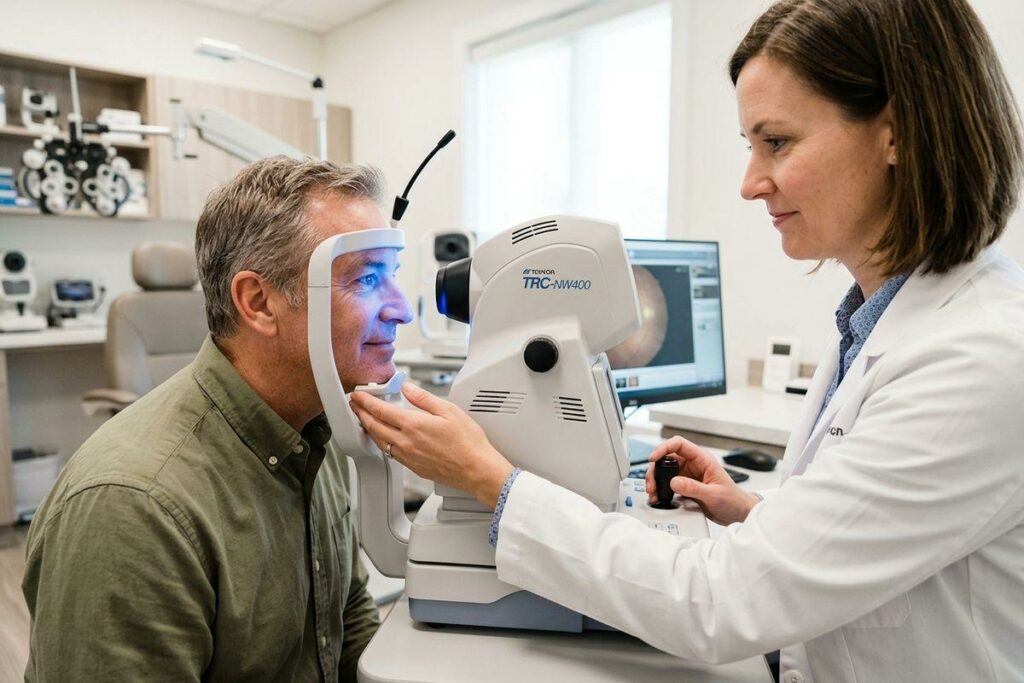
You sit down, rest your chin on the machine, and expect to hear whether your prescription changed. Then your eye doctor at Oxford Optometry mentions something about the blood vessels in the back of your eye, and suddenly the appointment feels bigger than glasses.
An eye exam can reveal signs associated with diabetes, high blood pressure, vascular disease, thyroid conditions, and more, sometimes before you notice any other symptoms. Eye exams aren’t just about updating your prescription; they’re a chance to get a picture of your overall health. That’s why regular appointments matter.
Why Your Eyes Reveal So Much About Your Health
The eye is the only place where medical professionals can view blood vessels and nerves directly without invasive procedures like needles or incisions. Your eye doctor simply looks through your pupil and can get an early sense of what’s going on in your body.
That view matters because blood vessels can be a place where changes show up early. Changes in the retinal blood vessels or surrounding tissue can sometimes appear before you notice changes in your vision or other symptoms.
Health Conditions an Eye Doctor May Be Able to Detect
Diabetes and High Blood Pressure
Blood vessels in the retina (at the back of the eye) can leak or swell, and that pattern is linked to diabetes. With high blood pressure, vessels may look narrowed, kinked, or show small areas of bleeding.
It’s important to know that your eye doctor won’t diagnose you with these conditions on the spot. Instead, they may notice something that they think could prompt further evaluation, and point you towards the next steps.
High Cholesterol and Stroke Risk
A pale ring around the cornea (the clear outer layer of your eye), called corneal arcus, can be associated with high cholesterol, particularly when it appears at a younger age. An eye doctor may also notice certain plaques or blockages in retinal blood vessels that can be associated with vascular disease and may warrant further medical evaluation.
Autoimmune, Thyroid, and Neurological Conditions
Persistent dry eye can sometimes be a symptom associated with lupus or Sjögren’s disease. Thyroid disease can change how your eyes sit in their sockets, which your eye doctor may be able to notice more than you can.
Certain neurological conditions, including multiple sclerosis, can affect the optic nerve and may cause changes in vision, colour perception, or eye movement. An eye doctor may notice signs that warrant further neurological evaluation.
Certain Cancers and Tumours
Your eye doctor may examine growths on the eyelids or the surface of the eye during a routine appointment. Changes inside or around the eye can sometimes be associated with cancers such as melanoma, leukemia, or lymphoma. Certain changes in peripheral (side) vision can sometimes be related to problems affecting the visual pathways, including a brain tumour.
Eye Symptoms to Mention at Your Appointment
We know that it can feel easy to shrug off small changes, but it’s important to know what to tell your eye doctor. If you notice any of the following, it may be a good idea to book an appointment or bring them up at your next visit:
- Double vision, a drooping eyelid, or new floaters.
- Pain when you move your eyes, light sensitivity, or lingering redness.
- Trouble seeing at night, or dryness and burning that won’t go away.
How a Comprehensive Eye Exam Differs from a Vision Screening
What Your Optometrist Looks For
A vision screening can be a helpful baseline, but it doesn’t assess the overall health of your eyes. A comprehensive exam goes further, starting with your health history, medications, and family history.
From there, your eye doctor can measure eye pressure, check how well your eyes work together, and even assess your side vision for any changes.
Technology Used at Oxford Optometry
At Oxford Optometry, we use precise technology to provide our patients with thorough care. That’s why we use detailed retinal imaging to capture changes early, and we keep those images on file so we can compare small changes over time. Shifts stand out more when there’s something to compare them against.
For kids, myopia detection software helps your eye doctor track vision development and supports our work in myopia management.
How Often You and Your Family Need an Eye Exam
It’s important to know how often to bring your family in. Here is a quick breakdown by age:
- Children should have their first eye exam between 6 and 9 months of age, and another before school starts. After that, annual eye exams support their learning and development in school.
- For healthy adults between 19 and 64 years old, an eye exam every 2 to 3 years can be a good rhythm.
- For adults 65+, an annual eye exam is important to detect early signs of health conditions that are more common as you age.
If you’re curious about your individual needs, your eye doctor can recommend a schedule based on your family history, risk factors, and eye health. You may be recommended to come in for more frequent eye exams if you have diabetes, high blood pressure, or an autoimmune condition. The same goes for a family history of eye disease or any new or changing symptom.
Book Your Next Exam
Our team at Oxford Optometry takes our time with every family member, listens to what you’ve noticed, and explains what the images show in plain language. If it’s been a while since your last visit, we encourage you to book your comprehensive eye exam with an optometrist in Woodstock today.