
Sometimes, something feels wrong with your eye, but you’re not sure if it’s serious enough to drop everything and get help. Maybe there’s sudden pain, or your vision changes in a way that doesn’t feel normal. It’s a stressful moment, and knowing what to do next can make a real difference.
An eye emergency is any situation where sudden injury, chemical exposure, or a rapid change in vision puts your sight at risk and needs immediate attention. Some situations call for the emergency room right away, while others are best handled by contacting your eye doctor.
How to Spot An Eye Emergency
Not every eye issue is a crisis, but certain symptoms require immediate evaluation. Trust your instincts if you feel something is deeply wrong with your eyes. Pay close attention to your symptoms and act quickly if you notice warning signs. Look out for these specific signs of a serious eye emergency:
- Sudden vision loss, whether partial or total
- A visible wound, bleeding, or fluid coming from the eye
- Eye pain paired with nausea, a severe headache, flashes of light, double vision, or increase in light sensitivity
Common Types of Eye Emergencies
Eye emergencies can happen anywhere, and knowing what you are dealing with helps you react safely.
Physical Injury
A blow to the eye from a ball, an elbow, or any hard object can cause more damage than it looks like on the surface. Even if the eye appears normal after impact, there may be internal injury that needs a proper assessment.
Cuts to the eye or anything embedded in it are also serious. These situations need professional care right away, not a home remedy.
Chemical Exposure
Household cleaners, garden chemicals, and solvents can do real harm to your eyes very quickly. Even fumes or aerosols sprayed near your face can cause serious irritation or damage if they come into contact with your eyes.
Time matters more than almost anything else in these cases. Act fast to rinse your eyes and seek professional care. The sooner you get treatment, the better the outcome tends to be.
Sudden Vision Changes
Take immediate action if your vision becomes blurry or doubled with no clear reason. Flashes of light or a sudden increase in floating spots in your vision can sometimes point to a problem at the back of the eye that needs prompt attention.
These changes can come on fast and feel disorienting. Don’t brush them off as tiredness or stress without having your eyes checked.
What to Do Before You Get Help
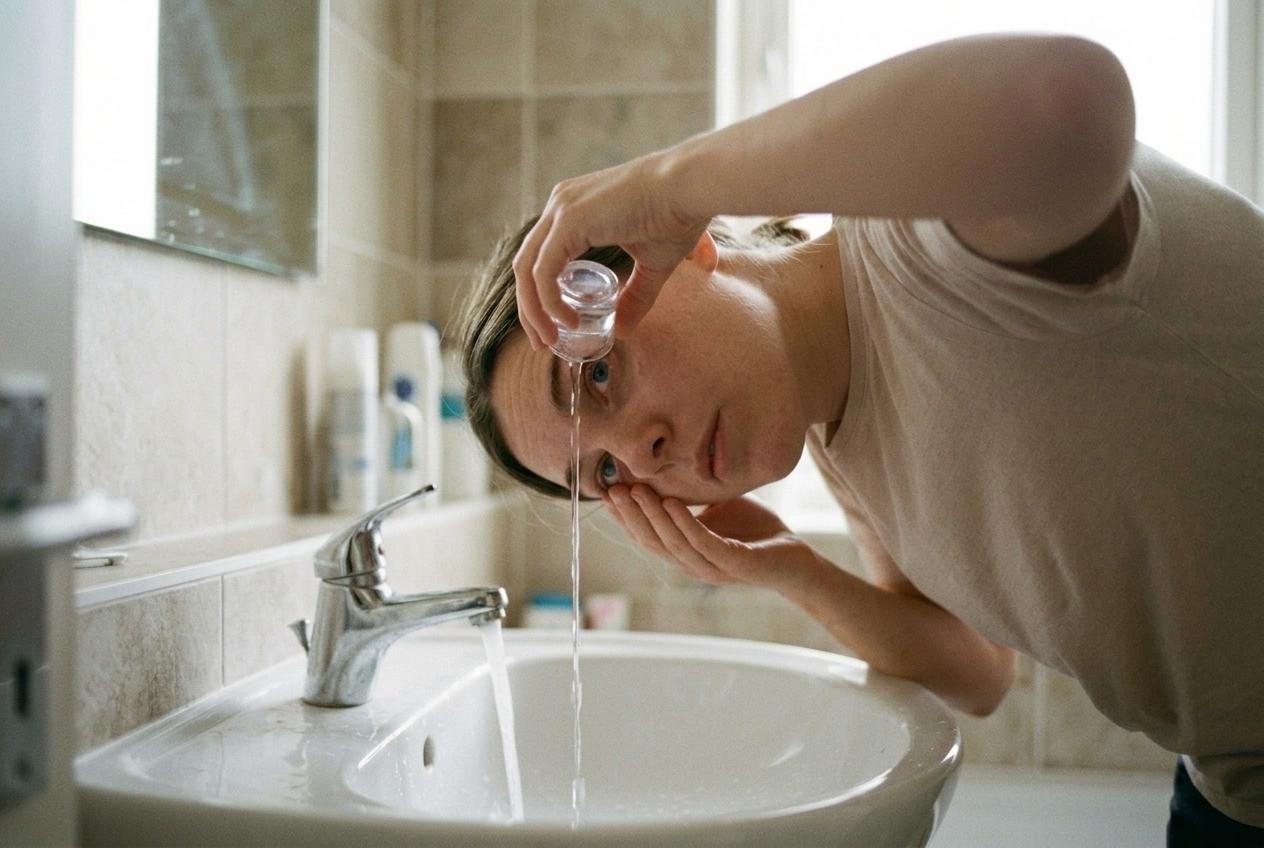
Taking the right first aid steps can prevent further damage while you arrange for professional care.
Chemicals in the Eye
Flush the eye immediately with cool running water for at least 15 minutes. Try to keep the eye open as wide as possible so the water can thoroughly rinse the area. Then get to an eye doctor or emergency room as quickly as you can.
Object Stuck in the Eye
Avoid rubbing your eye or trying to remove the object yourself. Cover the area loosely with a clean cloth to protect it from further contact. Keep as still as possible and seek professional help right away.
Blow or Cut to the Eye
For a blunt blow, a cool compress applied gently without pressure can help with swelling. If the eye has a cut, do not rinse it with water and avoid putting any pressure on it. Get to the emergency room without delay.
Managing Urgent But Non-Emergency Eye Issues
Some eye problems feel uncomfortable and need quick attention, even if they aren’t immediate threats to your sight.
Pink Eye and Infections
Pink eye is often viral and tends to clear on its own, but that doesn’t mean it should be ignored. If redness is getting worse, there’s a lot of discharge, or your vision feels affected, it’s time to see your optometrist rather than waiting it out.
Contact Lens Complications
Pain or redness while wearing contact lenses is your eye’s way of telling you something isn’t right. Remove your lenses if it’s safe and comfortable to do so, and book a visit with your optometrist to treat the irritation and review your lens hygiene. Leaving irritated lenses in can make things worse.
Where to Go for Eye Emergencies in Woodstock
For the most serious situations, like a cut eye, a chemical splash, or sudden vision loss, head to the emergency room right away. For urgent concerns that aren’t life-threatening, Oxford Optometry can assess the situation, thoroughly examine the eye, and help you determine the right next steps.
If you’re unsure whether what you’re experiencing needs immediate attention, reaching out to the team can help you get the care your family deserves. You can call or book an appointment online to connect with the team quickly and easily.