
Key Takeaways
- Myopia, or nearsightedness, makes faraway things look blurry and often changes during the school years.
- Axial length is the distance from the front to the back of the eye.
- The Topcon MYAH uses a quick light scan, and nothing touches the eye.
- Outdoor time, screen breaks, and follow-up visits can help support your child’s eyes.
Your child comes home and mentions the board looks fuzzy from the back row. Or you notice them leaning closer to the tablet each week. At Oxford Optometry, families across Oxford County bring these small moments to our team all the time, and we listen to every one.
Your optometrist in Woodstock, Ontario measures eye growth with axial length measurement, a quick scan that tracks the distance from the front to the back of your child’s eye over time. This information plays a big role in myopia management, which is care aimed at slowing myopia’s progress.
What Is Myopia?
Myopia, also known as nearsightedness, is when your child can read a book in their hands, but the clock across the classroom looks blurry. It often starts and changes during the school years.
Signs Your Child May Be Nearsighted
Kids rarely say their vision has changed, so watch for these signs:
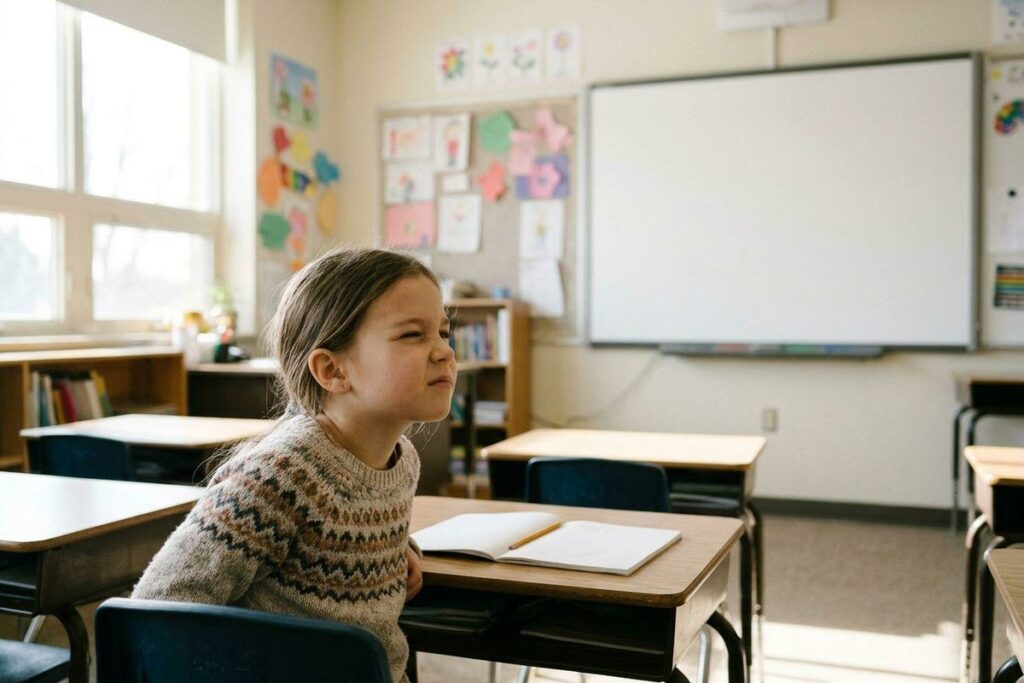
- Your child squints at the whiteboard or TV.
- Your child sits close to screens or holds books near their face.
- Your child gets headaches or rubs their eyes after school.
Why Yearly Eye Exams Matter for Kids
Young eyes grow quickly and change often. A yearly exam helps your optometrist spot changes early.
Higher myopia is linked to eye health concerns later in life. Catching it early gives your family more options.
What Is Axial Length Measurement?
Axial length is the distance from the front to the back of your eye. Measuring it gives your optometrist a clear number to follow as your child grows. The scan measures it in millimetres, so even small changes show up.
How Eye Length Connects to Myopia
A longer eye focuses light in front of the retina, the light-sensing layer at the back of the eye. That’s when faraway things look blurry.
Eyes keep growing through childhood and the teen years.
How the Topcon MYAH Works
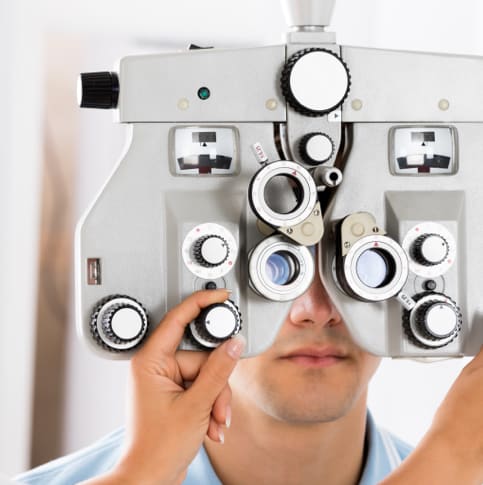
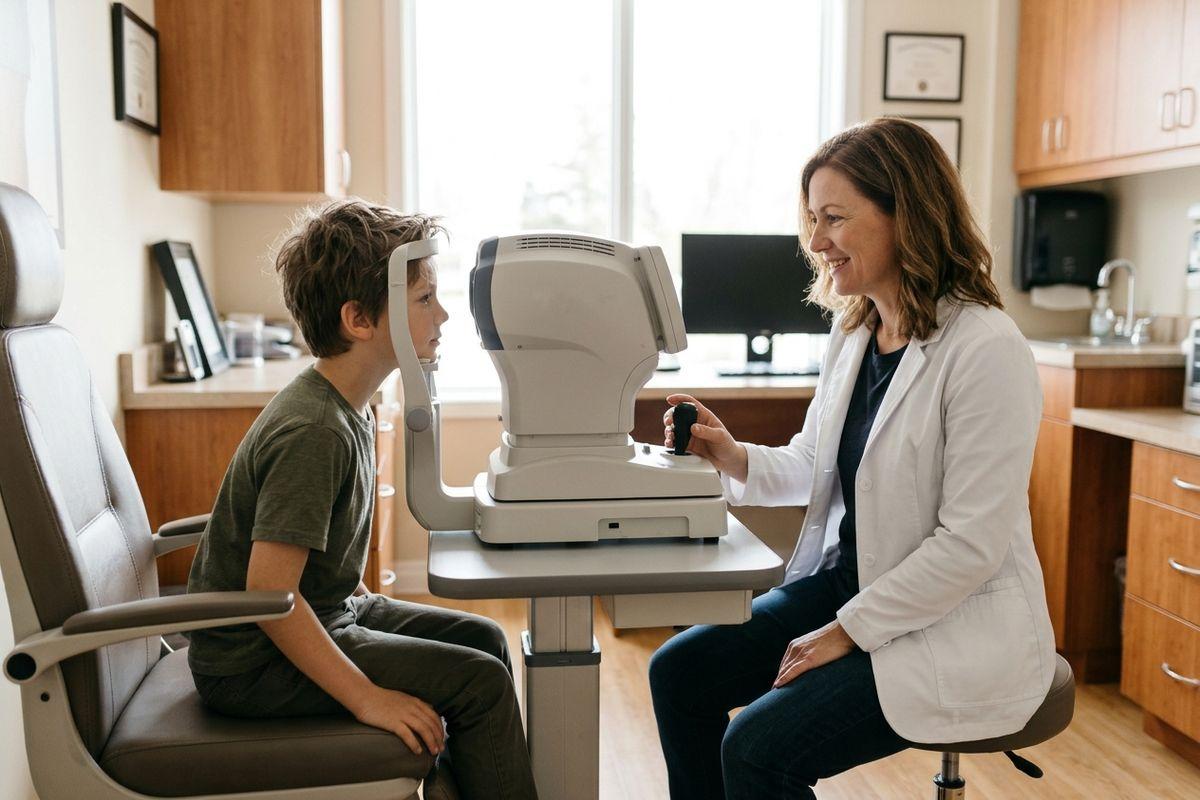
Your child rests their chin and looks at a light for a quick, gentle scan.
Nothing touches the eye.
The MYAH gives precise, repeatable measurements, so our team can track them visit to visit. It also maps the cornea, the clear front surface of the eye, which helps with specialty contact lens fits.
How Your Eye Doctor in Woodstock Uses Eye Length Data
At each visit, your optometrist compares your child’s eye length with past results to see how it’s growing.
If your child starts myopia management, eye length becomes a helpful progress marker. Your optometrist compares measurements over time and adjusts the plan as your child grows.
Keep Visits Comfortable for Kids
The test is fast and noninvasive. Our team explains each step to your child before it happens. Nothing feels like a surprise.
How You Can Help Slow Your Child’s Myopia
Management Options Your Optometrist May Suggest
There is more than one way to slow myopia, and the right fit depends on your child’s age, prescription, and daily routine. Your optometrist builds a plan around your child’s eyes and lifestyle, whether they spend weekends on the soccer field or curled up with a book.
Whichever option is right for your child’s vision and lifestyle, we use axial length measurements at follow-up visits to see how your child’s eyes are responding. If something needs to change, your optometrist adjusts the plan as your child grows.
Specialized Therapeutic Lenses
Many families start with glasses lenses made to slow myopia’s progress. Our doctors regularly prescribe MiYOSMART lenses by Hoya, including the newer MiYOSMART iQ, and Stellest lenses by Essilor. Both have been wonderfully successful for our patients. Your child wears them like regular glasses, so they fit easily into school, sports, and screen time.
Orthokeratology (Ortho-k)
Another option is ortho-k, special contact lenses your child wears overnight. They gently reshape the front of the eye while your child sleeps, so many kids can see clearly during the day without glasses or contacts. It can be a good fit for children who are comfortable with contact lenses
Healthy Habits at Home
Small daily choices add up, and here are a few your family can try:
- Spend more time playing outdoors in daylight.
- Take regular screen breaks and cut back on daily screen time.
Keep up with follow-up visits so your optometrist can track changes.
Frequently Asked Questions About Myopia and Axial Length
Parents often ask our team these questions.
What does an eye length test feel like?
It’s quick and noninvasive. Nothing touches your child’s eye, and many kids are done before they have time to get bored.
How often should your child’s eye length be checked?
It depends on your child’s age, prescription, and management plan. Your optometrist sets a schedule that fits your child.
Book a Visit with Your Optometrist in Woodstock
Oxford Optometry has cared for Woodstock families since 1992. If you’ve noticed your child squinting at the TV, or you’d simply like a clearer picture of how their eyes are growing, our team is happy to help.
Book your child’s eye exam with Oxford Optometry and ask about axial length measurement and myopia management.