
Your eyes are red, irritated, and uncomfortable. You reach for eye drops, but nothing seems to help for long. Sound familiar? When your eyes are bothering you, it’s easy to assume allergies are to blame, but dry eye can feel surprisingly similar, and the 2 conditions don’t always play by the same rules.
The key difference comes down to the root cause. Allergies happen when your immune system reacts to something in your environment, while dry eye comes from a problem with how your eyes produce or maintain tears. Knowing which one you’re dealing with changes everything about how you treat it. Our team at Oxford Optometry can help you get that clear picture so you’re not guessing at solutions that may not work.
The Key Difference Between Dry Eyes and Allergies
Allergies are your body’s reaction to outside irritants like pollen, pet dander, or dust. Your immune system goes on alert, and your eyes pay the price. Dry eye, on the other hand, happens when your tear film isn’t doing its job, either because your eyes aren’t making enough tears or the tears evaporate too quickly.
Here’s where it gets tricky. Both conditions can happen at the same time, and their symptoms overlap enough that it’s often hard to tell them apart on your own. Treating one when you actually have both can leave you frustrated and no better off.
Symptoms That Point to Eye Allergies
Intense itching is the most telling sign of eye allergies. If your eyes are driving you crazy and you can’t stop rubbing them, that’s a strong clue. Allergies can also bring on puffy or swollen eyelids, and your eyes may water constantly.
Another giveaway is when your eye symptoms appear alongside other reactions in your body, such as sneezing, a runny nose, or an itchy throat. Your eyes rarely suffer alone when allergies are involved.
When Allergy Symptoms Show Up
Eye allergies tend to follow a seasonal pattern. Spring and fall are common times when symptoms flare up, often tied to pollen counts or mould in the air. If your eyes feel fine in winter but miserable every April, that timing is a clue worth paying attention to.
Symptoms also tend to ease once the irritant is removed. Step away from the cat, leave the park, or close the windows, and you may notice real relief within a short time.
Symptoms That Point to Dry Eyes
Dry eye tends to feel more like burning, stinging, or a gritty, scratchy sensation, almost like there’s something stuck in your eye that you can’t get out. It’s uncomfortable in a way that’s hard to ignore. Your vision may also go blurry after long stretches of screen time, reading, or driving.
What Makes Dry Eye Different
Unlike allergies, dry eye doesn’t come with itching, sneezing, or any whole-body reactions. There’s no runny nose, no pollen count to watch, no pet to avoid. The discomfort is entirely focused on your eyes. Dry eye symptoms also tend to persist year-round rather than spike with the seasons.
Can Allergies and Dry Eye Happen Together?
Yes, and it’s more common than you might think. Some allergy medications reduce tear production, which can trigger dry eye symptoms even if it wasn’t a problem before. At the same time, allergens can cause inflammation that disrupts your tear film, making dry eye worse. The oil glands along your eyelids play a big role in keeping tears stable, and when they’re affected by inflammation, dry eye symptoms can follow quickly.
When both conditions are present, and only one gets treated, your symptoms may not improve much. That’s one reason why getting a clear picture of what’s actually going on matters so much before reaching for a solution.
How an Eye Doctor Can Help Sort It Out
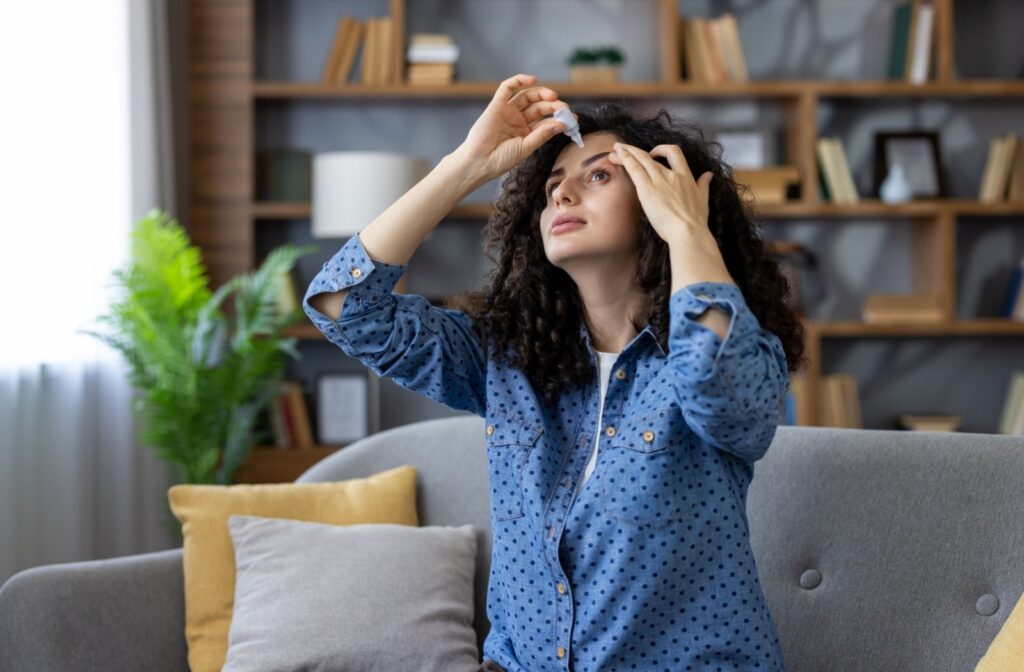
Why a Proper Eye Exam Matters
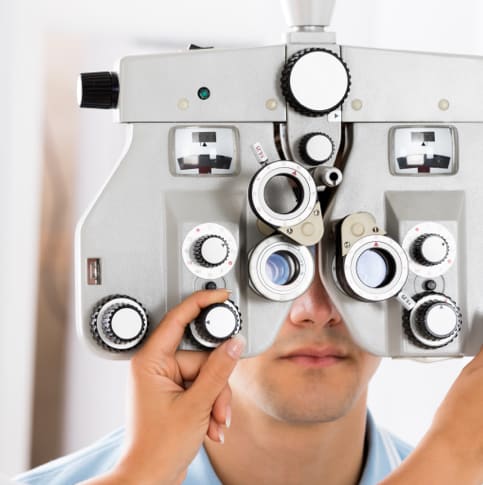
Because the symptoms overlap so much, self-diagnosis can be unreliable. What feels like allergies might be dry eye, and vice versa. A thorough eye exam looks at the actual condition of your tear film, your eyelids, and the surface of your eye to find the real source of your discomfort. If allergy relief is part of the solution, we also carry high-quality Théa products in-office, including Zaspray, a preservative-free liposomal spray designed to soothe itchy, irritated, and red eyes. We’re proud to be a one-stop shop for dry eye and allergy support, with trusted options like eye drops, lid hygiene products, warming masks, and more to help you feel more comfortable day to day.
Treatment Options for Each Condition
Once the cause is identified, there are real options that can bring relief. For allergies, allergy eye drops, cold compresses, and oral antihistamines are common approaches. For dry eye, artificial tears, warm compresses, and prescription drops can help the eye surface stay comfortable. Dry eye treatment at Oxford Optometry is tailored to what your eyes actually need, not a one-size-fits-all approach.
We can build a plan around your specific situation, whether that means addressing one condition or both at once. The goal is to get your eyes feeling like themselves again with a treatment approach that’s tailored to you.
Find the Right Relief
If your eyes have been bothering you and over-the-counter drops aren’t cutting it, it may be time to find out what’s really going on. Our team at Oxford Optometry in Woodstock is here to listen, take a close look, and help you find the right path forward. Reach out today to book your eye exam.